
The Ergonomics Gap in Remote Work

Remote work has permanently changed how millions of Americans do their jobs. But while working from home offers flexibility and convenience, it has also exposed a growing problem: many employees lack the ergonomic knowledge and awareness needed to create healthy work environments at home.
A recent study published in Applied Ergonomics examined more than 3,000 work-from-home employees across the U.S. and found that overall ergonomics knowledge and awareness remain surprisingly low. Participants scored an average of 8.1 out of 16 on ergonomics knowledge and 3.5 out of 5 on ergonomics awareness.
In simple terms, many remote workers either don’t fully understand ergonomic principles — or don’t know how to apply them effectively in their daily workspaces.
Why Ergonomics Matters at Home
In traditional office settings, employers often provide ergonomic assessments, adjustable workstations, and safety guidance. At home, much of that responsibility shifts to the employee.
The problem is that many people are working from couches, kitchen tables, or poorly designed desk setups for hours at a time. Research has linked poor home office ergonomics to:
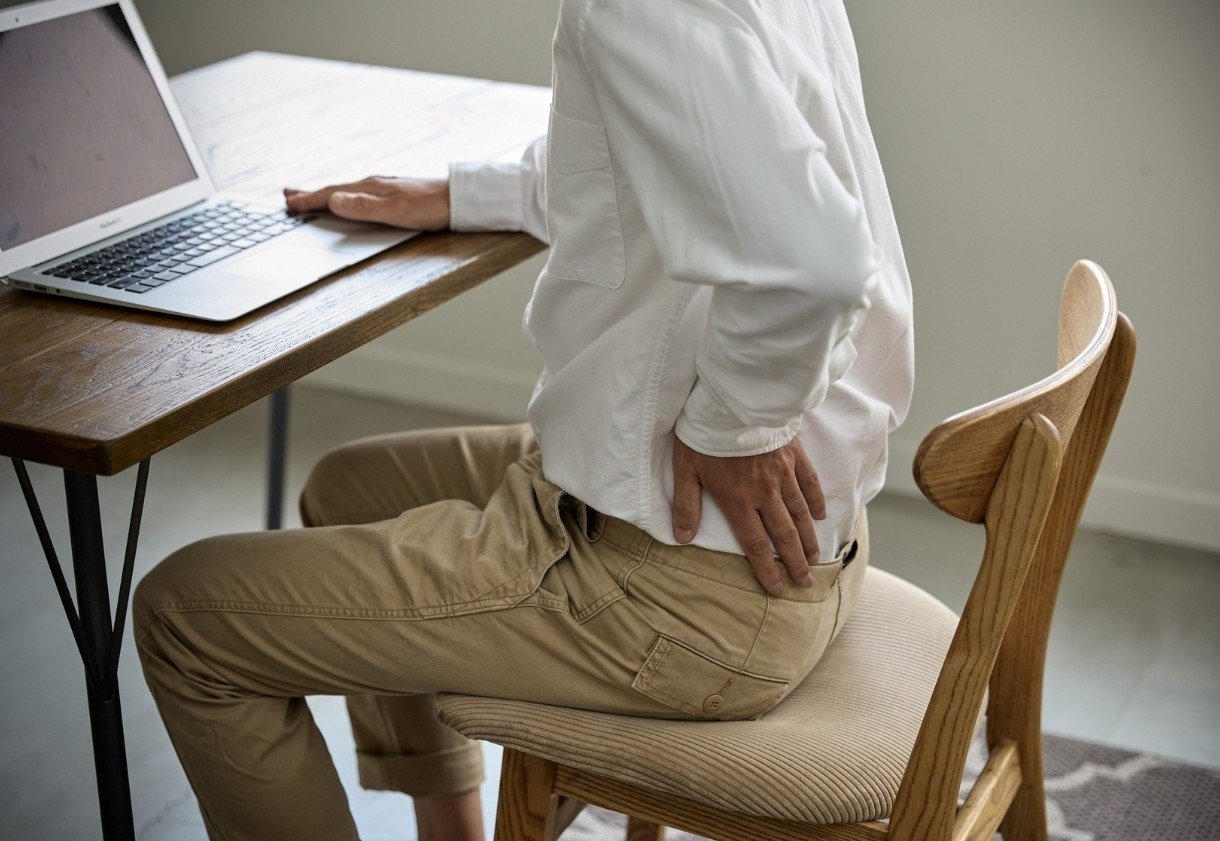
Neck and back pain
Wrist and shoulder strain
Fatigue
Dry eyes
Musculoskeletal disorders
The study notes that only a minority of remote workers have fully ergonomic home office setups.
Not All Workers Experience Ergonomics Equally
One of the most important findings from the study was that ergonomics knowledge and awareness varied significantly across demographic groups and employer size.
Researchers found:
Black/African American participants had lower average ergonomics knowledge scores compared to other racial groups.
Workers ages 25–54 demonstrated higher ergonomics awareness than younger and older employees.
Employees working for very small organizations (fewer than 10 employees) had the lowest ergonomics knowledge and awareness scores overall.
The authors emphasize that these differences likely reflect broader structural factors — including unequal access to training, workplace resources, and organizational support — rather than individual characteristics.
Women and Musculoskeletal Risk

The study also highlights prior research showing that women may face greater musculoskeletal risks in office and remote work settings. Female office workers are more likely to experience musculoskeletal pain than men, and some studies suggest that risk may increase even further while working from home.
This raises important questions about whether remote work environments, office equipment design, and ergonomic training adequately support all workers equally.
Awareness Alone Isn’t Enough
Knowing that ergonomics matters is only part of the solution. Many workers still lack practical guidance on how to set up their workspaces correctly.
Simple adjustments can make a meaningful difference:
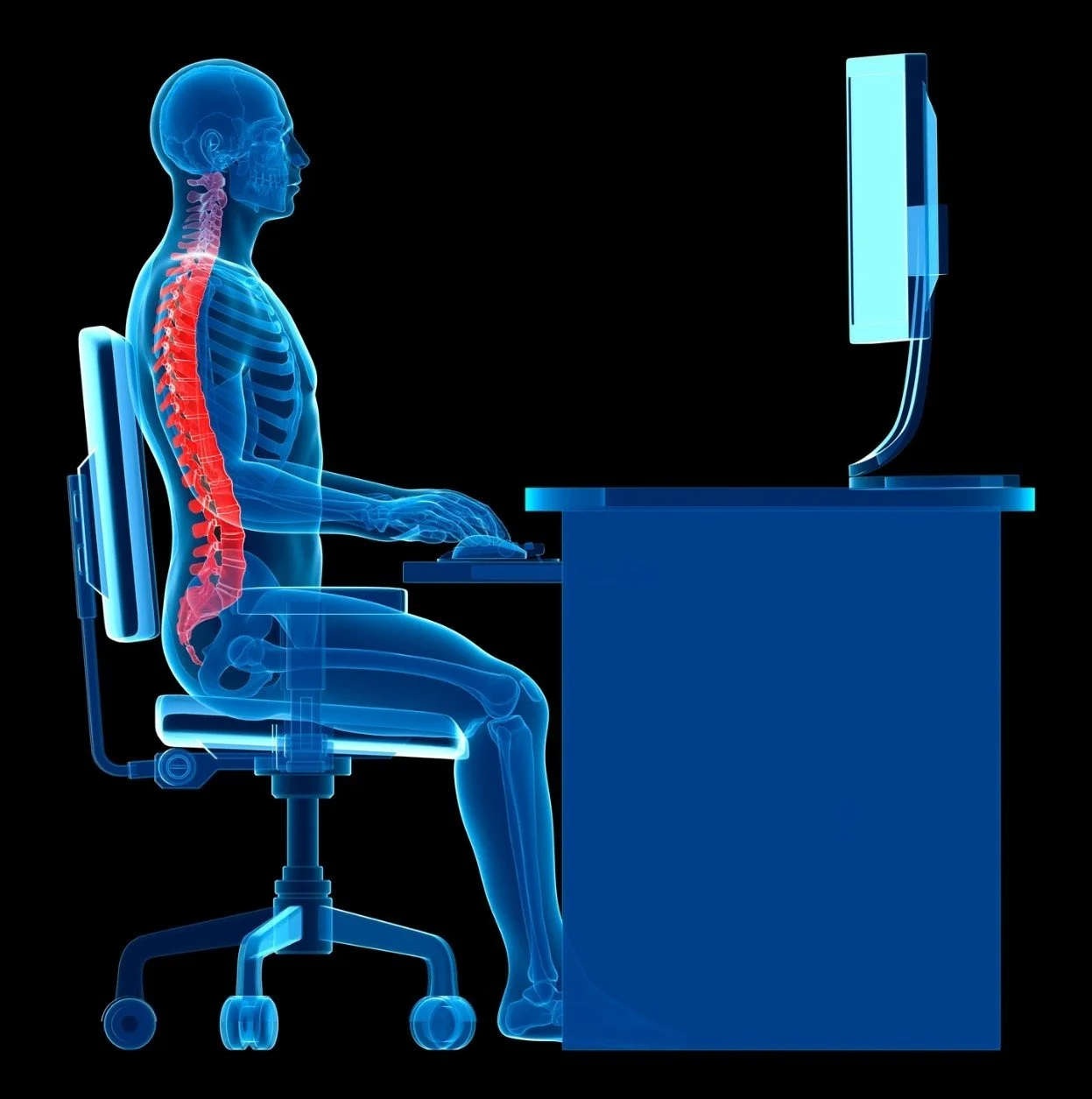
Keeping monitors at eye level
Supporting wrists and forearms properly
Using chairs with lumbar support
Positioning feet flat on the floor
Taking regular movement breaks throughout the day