
The Physical Toll of Endoscopy: Why Ergonomics Matters
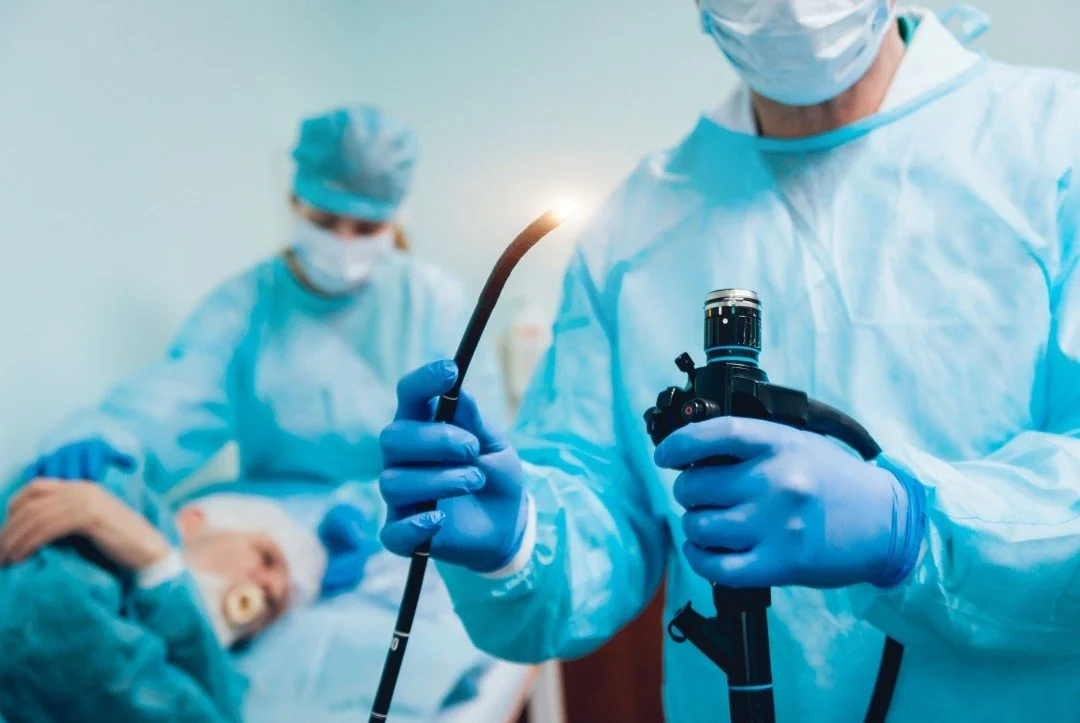
Endoscopy has transformed gastrointestinal care, helping physicians diagnose disease earlier and perform life-saving interventions. But behind every procedure is a growing issue that many gastroenterologists know all too well: chronic physical strain.
A recent article from Practical Gastroenterology explores the rising problem of musculoskeletal injuries in endoscopy and why ergonomics is becoming an increasingly important topic in GI medicine.
Endoscopy Is More Physically Demanding Than It Looks
Performing endoscopy requires repetitive gripping, twisting, torqueing, and prolonged standing — often for hours at a time. Over time, these repetitive motions can lead to significant strain on the body.
The most commonly affected areas include:
Hands and wrists
Fingers and thumbs
Neck and shoulders
Lower back
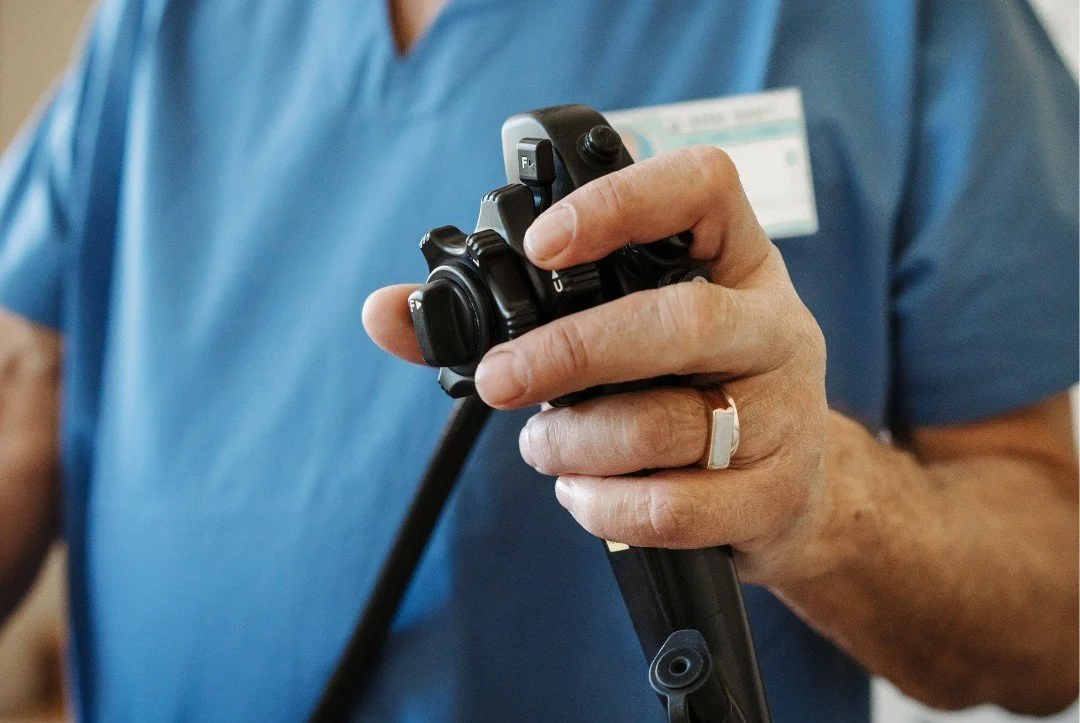
One particularly vulnerable area is the left thumb, which absorbs substantial force during colonoscopy and ERCP procedures.
These injuries are not just occasional discomfort. Many physicians report chronic pain, reduced physical activity outside of work, and even missed workdays because of procedure-related injuries.
The Problem Starts Early
One of the most concerning findings is how early these issues develop. Nearly half of GI fellows surveyed reported developing musculoskeletal injuries during fellowship training, many within their first year.
This highlights a major gap in medical training: while physicians spend years learning procedural technique, far less attention is given to posture, room setup, and injury prevention.
Without proper ergonomic habits early on, small stresses can become long-term problems over the course of a career.
Women in GI Face Additional Challenges
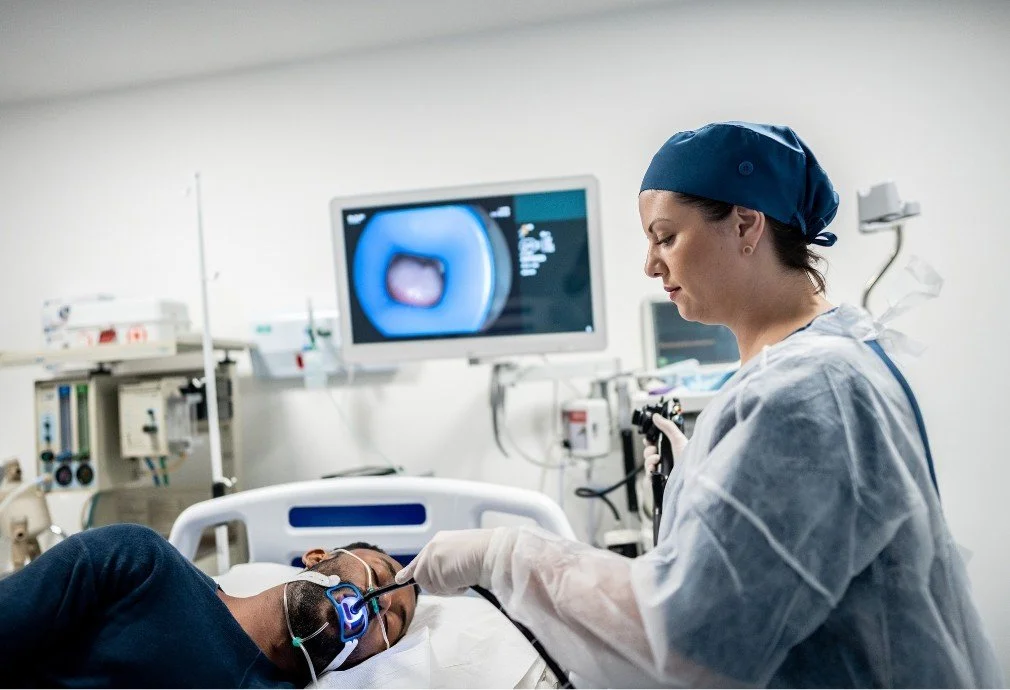
The article also highlights an important gender gap in endoscopy ergonomics. Studies show that female endoscopists experience higher rates of wrist, hand, and upper extremity injuries compared to their male colleagues.
One reason may be equipment design. Most endoscopes were originally developed using a “one-size-fits-all” approach, despite differences in hand size and grip strength. For physicians with smaller hands, maneuvering standard scopes may require more force and awkward positioning, increasing strain over time.
As more women enter gastroenterology, improving ergonomic design is becoming even more important for physician safety and career longevity.
Small Changes Can Make a Big Difference
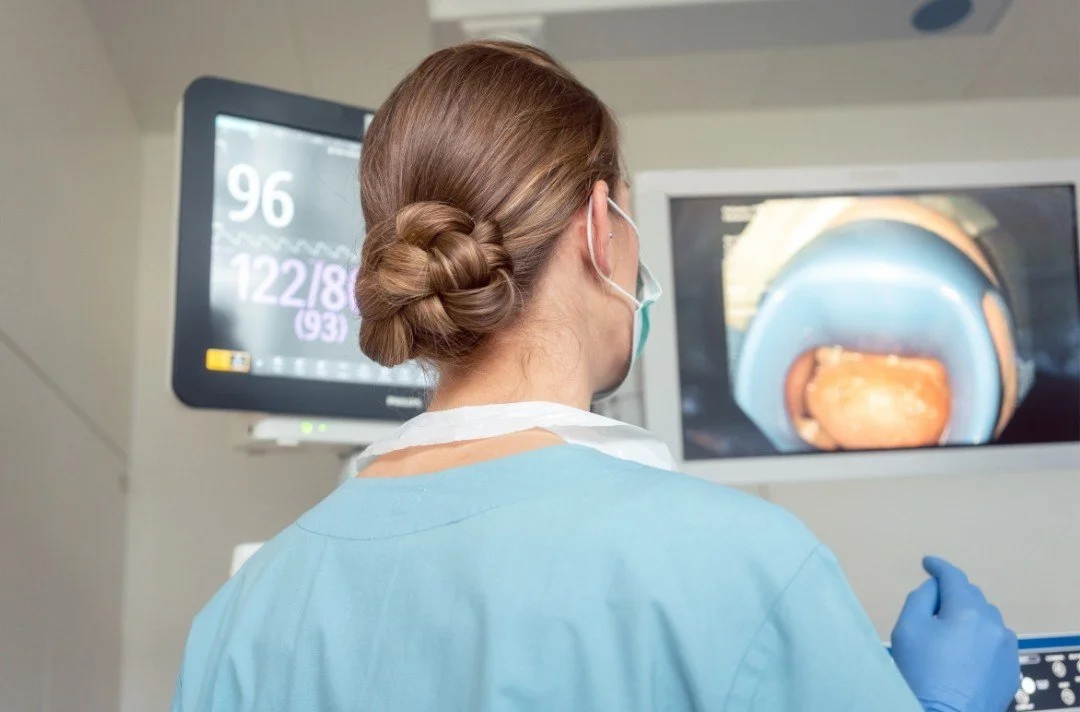
The encouraging news is that many injuries may be preventable.
Experts recommend several practical adjustments, including:
Keeping monitors directly in front of the operator
Adjusting bed height to maintain neutral posture
Using cushioned floor mats
Wearing ergonomic lead protection
Taking short “microbreaks” during long procedures