Health | Safety | Ergonomics

Blog

Regular postings on ergonomics, injury prevention, and employee engagement.

The Ergonomics of Road Cycling: Protecting Riders on Every Mile
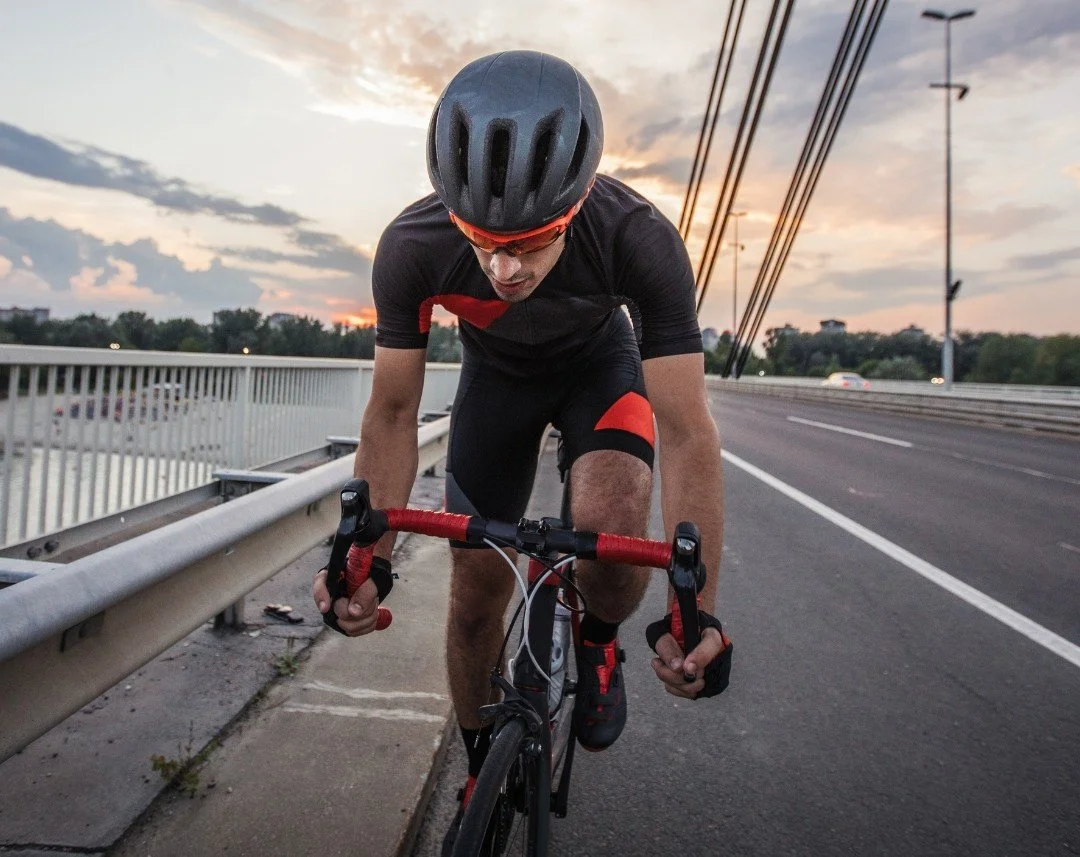
Road cycling combines endurance, speed, and freedom, but the repetitive nature of the sport can also place significant stress on the body. Whether riding recreationally, training for long-distance events, or commuting daily, cyclists often spend hours in sustained postures that may contribute to discomfort, fatigue, and overuse injuries over time.

From the neck and shoulders to the hips, knees, and wrists, even small ergonomic inefficiencies can become magnified over thousands of pedal revolutions. Optimizing cycling ergonomics is not only important for performance, but also for long-term musculoskeletal health.

Common Ergonomic Challenges in Road Cycling
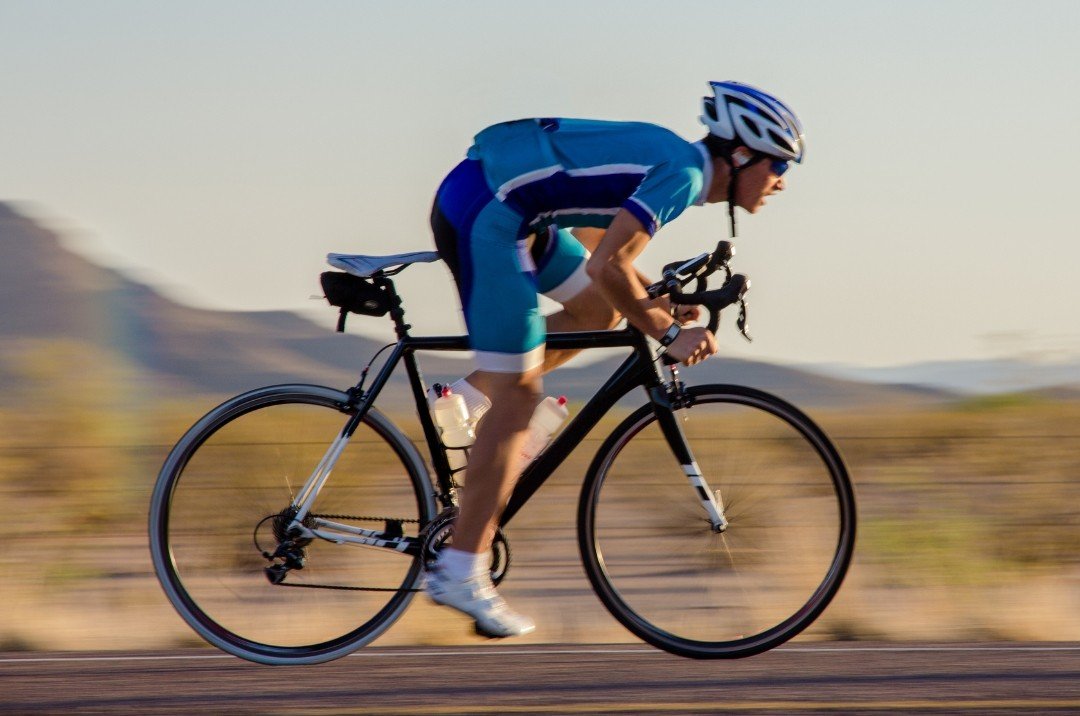
Road cyclists are frequently exposed to prolonged forward-flexed postures and repetitive lower extremity motion. Holding the same riding position for long periods may contribute to neck and upper back tension, wrist or hand numbness, low back discomfort, hip tightness, knee pain, shoulder fatigue, and saddle discomfort.

Because cycling is highly repetitive, even subtle positioning issues can become more noticeable during longer rides or higher training volumes.

Why Bike Fit Matters

A proper bike fit is one of the most important components of cycling ergonomics. Saddle height, handlebar reach, cleat alignment, frame geometry, and rider mobility all influence posture, comfort, and pedaling efficiency.
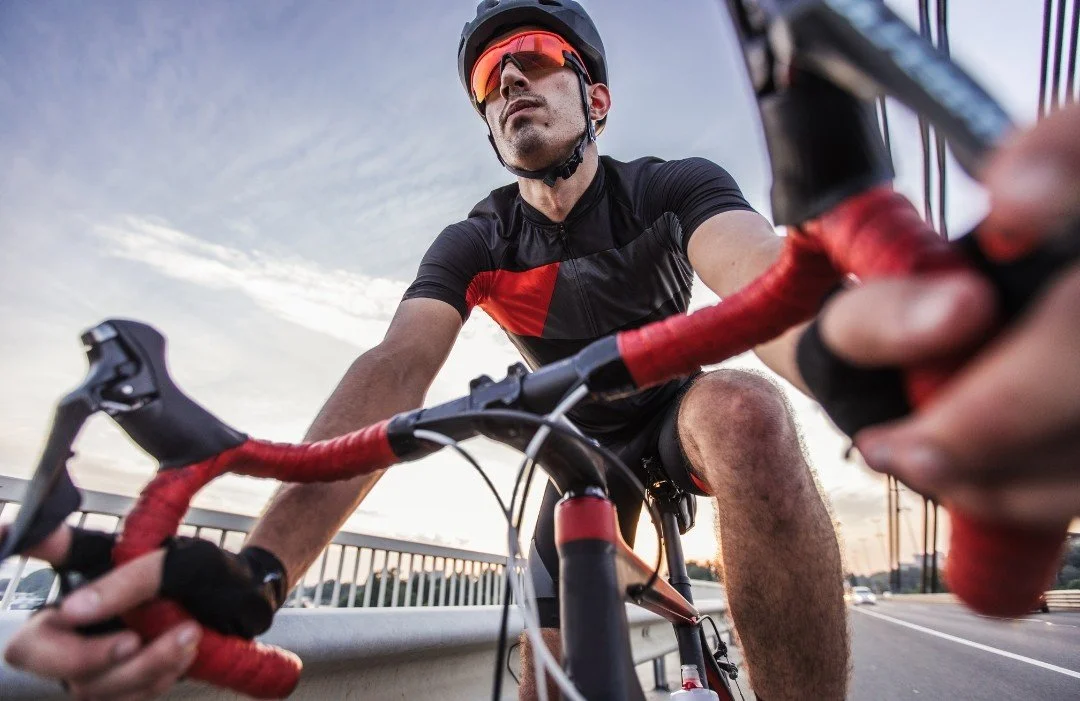
Improper positioning may increase stress on the knees, shoulders, hips, and lower back while also reducing riding efficiency and increasing fatigue. Fortunately, small adjustments can often make a significant difference in comfort and performance.

Common Bike Fit Adjustments

Small bike fit changes can make a significant difference in comfort and riding efficiency. Examples include:

  • Adjusting saddle height: A saddle that is too high may increase hip rocking and hamstring strain, while a saddle that is too low may increase stress on the knees.

  • Changing saddle position: Moving the saddle slightly forward or backward can affect hip and knee alignment during pedaling.

  • Raising or lowering handlebars: Handlebar height influences trunk angle, neck posture, and pressure through the hands and wrists.

  • Shortening or lengthening stem reach: Excessive reach may contribute to shoulder, neck, and low back strain.

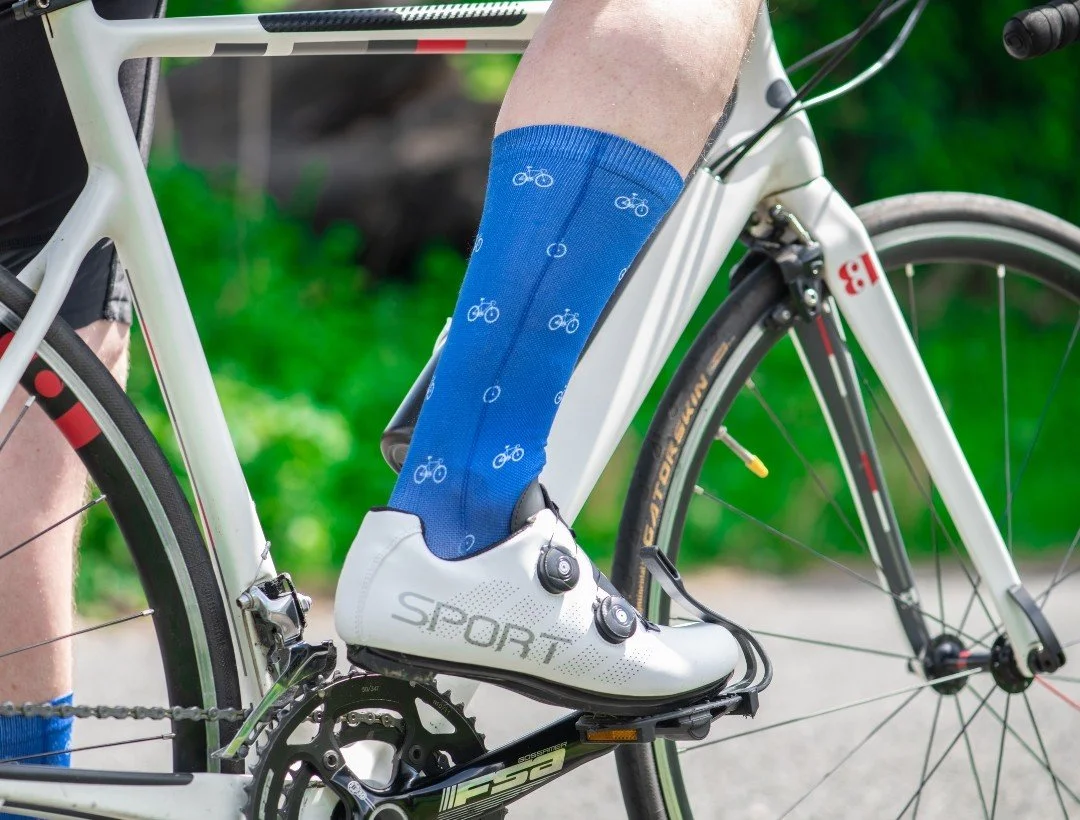
  • Adjusting cleat placement: Proper cleat alignment can improve lower extremity mechanics and reduce repetitive stress through the knees and ankles.

  • Changing saddle type or width: A saddle that better matches the rider’s anatomy may help reduce pressure points and discomfort during longer rides.
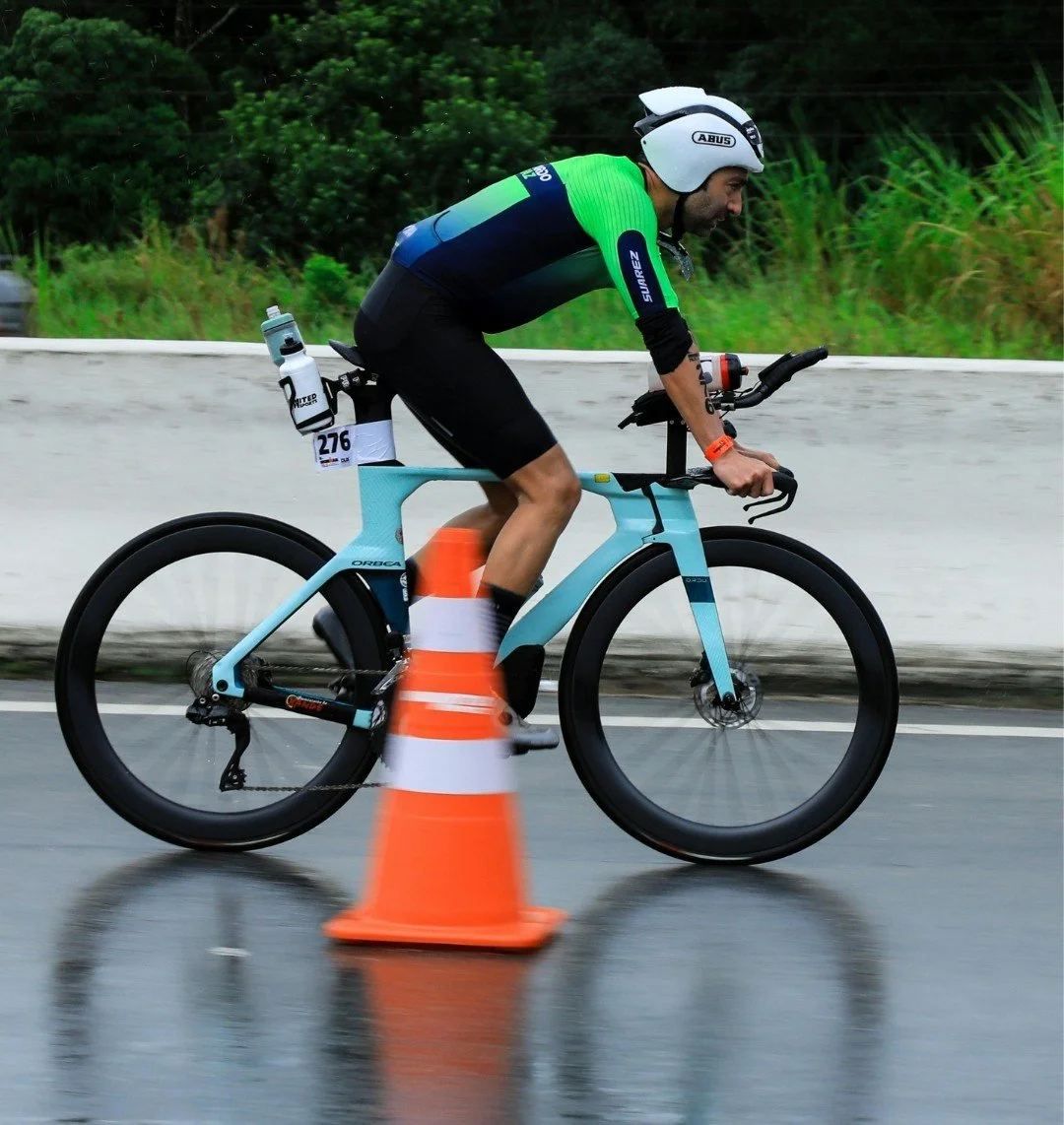
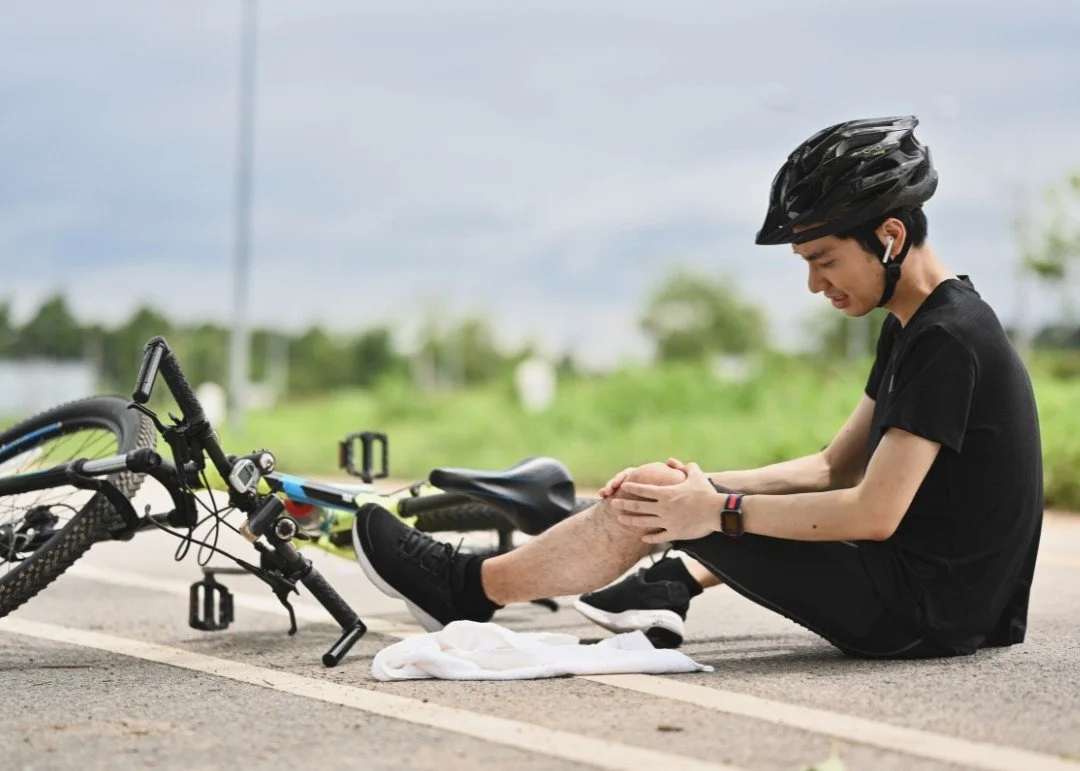
Because every cyclist’s anatomy, mobility, and riding goals are different, bike fit adjustments are often most effective when made gradually and tailored to the individual rider.

Posture and Positioning on the Bike

Maintaining an efficient riding posture can help reduce muscular strain and improve endurance. Cyclists should aim to keep the shoulders relaxed, avoid excessive wrist extension, maintain a neutral spine when possible, and engage the core for trunk stability.

Forward head posture is also common during long rides and may contribute to neck and upper back fatigue over time. Changing hand positions periodically may help reduce sustained pressure through the wrists and hands.

Repetition and Overuse Risk

Cycling involves thousands of repetitive pedal revolutions during a single ride. Without adequate recovery and conditioning, repetitive loading may contribute to overuse injuries such as patellofemoral pain syndrome, iliotibial band irritation, Achilles irritation, neck and shoulder strain, and hand numbness from prolonged pressure through the handlebars.

Gradual training progression, recovery days, and cross-training can help reduce cumulative stress on the body.

Strength and Mobility Off the Bike

Strength and mobility training away from cycling can improve posture, stability, and movement efficiency. Core strengthening, glute activation, hip mobility, thoracic mobility, hamstring flexibility, and shoulder stability exercises may all help cyclists better tolerate longer rides while reducing fatigue-related compensations.

Supporting the body off the bike can improve both comfort and long-term riding performance.

Equipment Considerations

Equipment selection also plays a role in cycling ergonomics. Saddle width and shape, padded cycling gloves, handlebar grips or tape, proper cleat positioning, and frame geometry all influence comfort and pressure distribution during rides.

Comfort and performance should work together — not compete against each other.

Final Thoughts

Road cycling places repetitive physical demands on the body, particularly during long rides and consistent training. Without proper ergonomic considerations, cyclists may experience discomfort, fatigue, and overuse injuries that affect both performance and long-term musculoskeletal health.

Fortunately, even small improvements in bike fit, posture, equipment, and conditioning can make a meaningful difference. By approaching cycling ergonomics proactively, riders can improve comfort, maintain efficiency, and continue enjoying the sport mile after mile.

At The Rising Workplace, we understand the importance of ergonomics across every environment — from the workplace to recreational and athletic activities. Supporting movement efficiency, reducing strain, and promoting long-term musculoskeletal health are essential to helping individuals stay active and perform at their best