
Ergonomics Starts Young: Why Kids Should Learn Body Mechanics Early
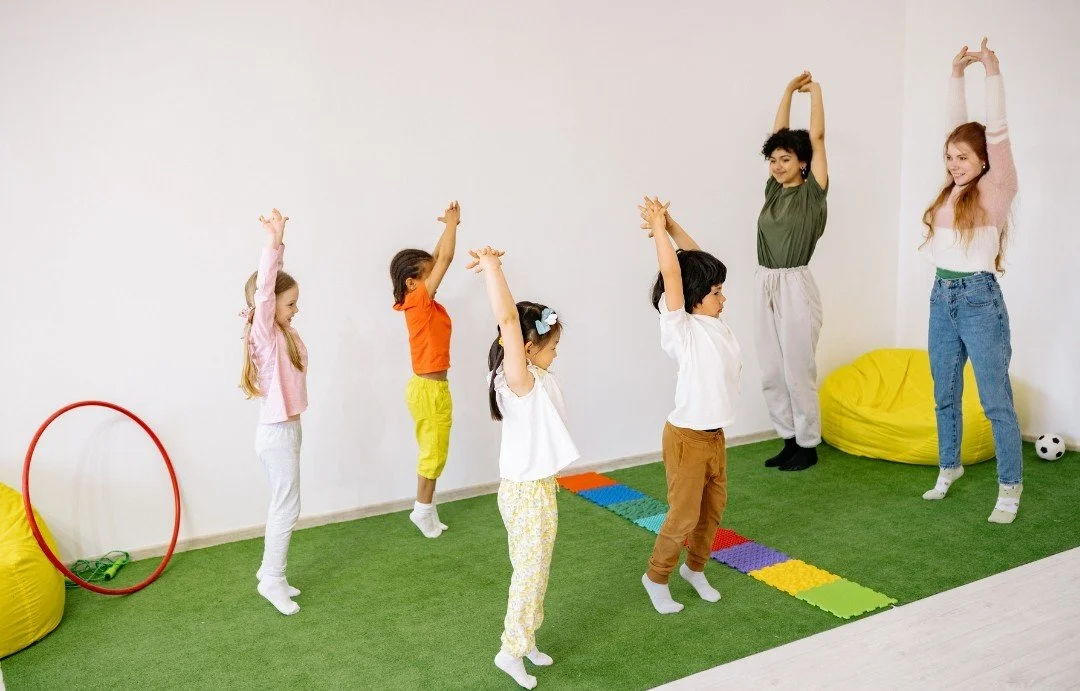
When we talk about ergonomics, the conversation usually centers around the workplace. We think about office chairs, computer setups, lifting techniques, manufacturing tasks, or preventing injuries on the job.
But why wait until someone enters the workforce to start thinking about how they move and interact with their environment?
Kids spend a significant part of their day sitting at desks, working on computers and tablets, carrying backpacks, playing sports, gaming, doing chores, and completing homework. All of these activities offer opportunities to build awareness about movement, body mechanics, and how the environment affects the way we feel.
Teaching these concepts early doesn't need to be complicated. In many ways, it's simply about helping kids pay attention to their bodies and giving them tools they can use throughout their lives.
Ergonomics Isn't Just for the Workplace
At its core, ergonomics is about fitting the task and environment to the person rather than expecting the person to adapt to a poor setup.
We use that principle every day in the workplace, whether we're adjusting a workstation, changing the height of a work surface, reducing repetitive movements, or finding a better way to move materials.
The same thinking applies to kids.
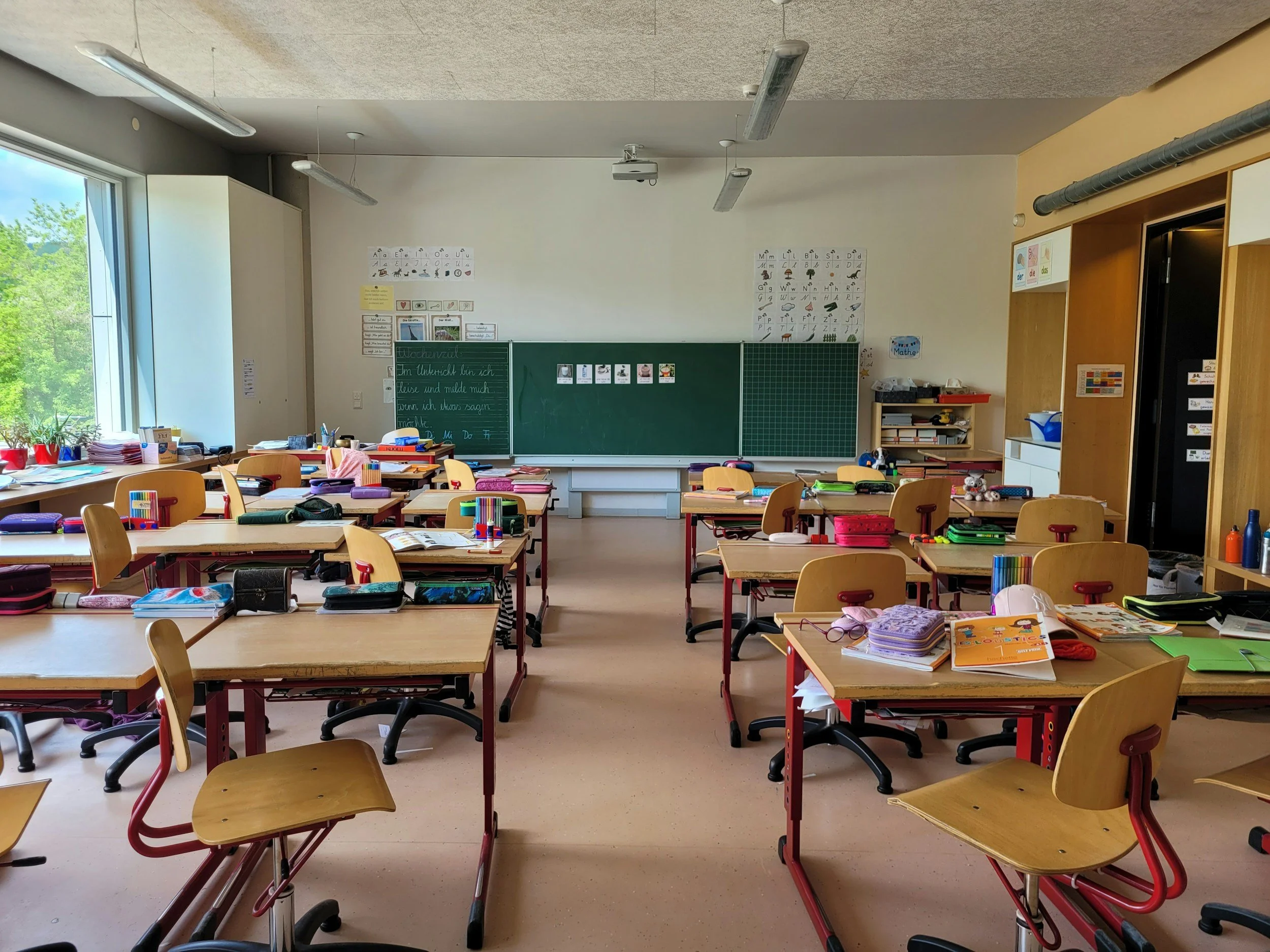
A school desk is essentially a workstation. A backpack is a load to be carried. A laptop or tablet is a tool. And a classroom is an environment where students spend hours working every day.
Once you start looking at ergonomics this way, you realize it's everywhere.
Why Teach These Skills Early?
Kids are constantly developing habits around how they sit, stand, lift, carry, reach, and use technology. Some of those habits may stick with them for years.
Rather than waiting for discomfort to show up, we can teach kids to notice what their bodies are telling them and make adjustments along the way.
That might mean learning to change positions instead of sitting the same way for hours, moving an object closer instead of repeatedly reaching for it, adjusting a backpack so it fits properly, or asking for help with something that's too heavy or awkward.
It also means teaching kids that discomfort is worth paying attention to. If something doesn't feel right, the answer isn't always to push through it. Sometimes the solution is as simple as changing position, taking a break, adjusting the environment, or finding a different way to do the task.
Backpacks, Desks, Screens, and Sports
Kids encounter ergonomic challenges in more places than we might realize.
Backpacks

Backpacks can get heavy quickly, especially when you add laptops, books, water bottles, sports gear, and everything else students carry throughout the day.
Teaching kids how to adjust their backpack, use both straps, organize what they're carrying, and recognize when a load is simply too heavy is an easy introduction to body mechanics and load management.
School Desks
Children come in all shapes and sizes. School furniture often doesn't.
A desk or chair that's a poor fit can make it difficult to find a comfortable working position. Kids can learn simple things like noticing whether their feet are supported, whether they're constantly reaching or leaning forward, or whether moving their materials would make their setup more comfortable.
The goal isn't to teach children to sit in one "correct" position. It's to teach them to notice when something isn't working and make an adjustment when they can.
Technology

Between schoolwork, gaming, social media, and entertainment, screens are a major part of kids' lives.
Instead of constantly reminding kids to "sit up straight," there may be a more useful message:
Your body is meant to move.
No position is ideal for hours at a time. Changing positions, getting up, walking around, looking away from the screen, and taking regular movement breaks are all important parts of healthier technology habits.
Sports
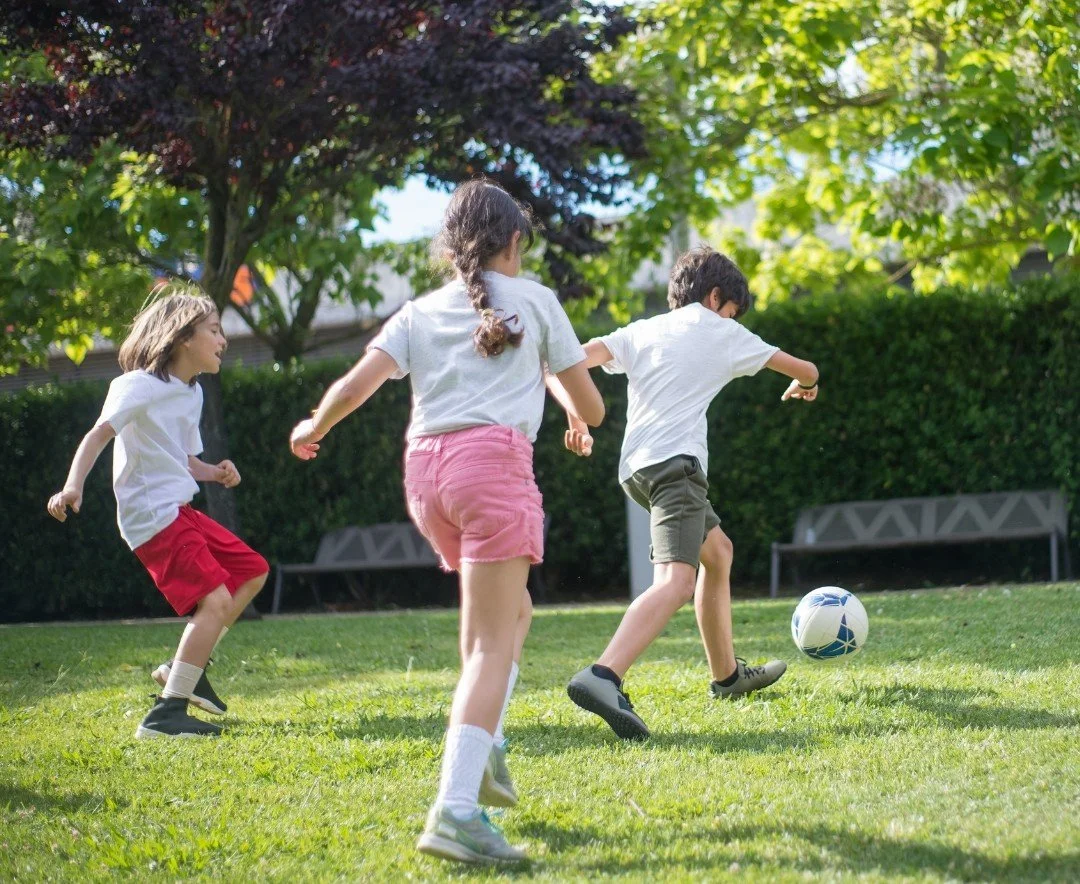
Sports already teach kids a great deal about movement, technique, strength, and injury prevention. Ergonomics fits naturally into that conversation.
Young athletes can learn to think about repetitive movements, how they handle and carry equipment, how their bodies respond to fatigue, and why recovery matters. These are concepts they'll be able to apply well beyond the playing field.
Forget "Perfect Posture"
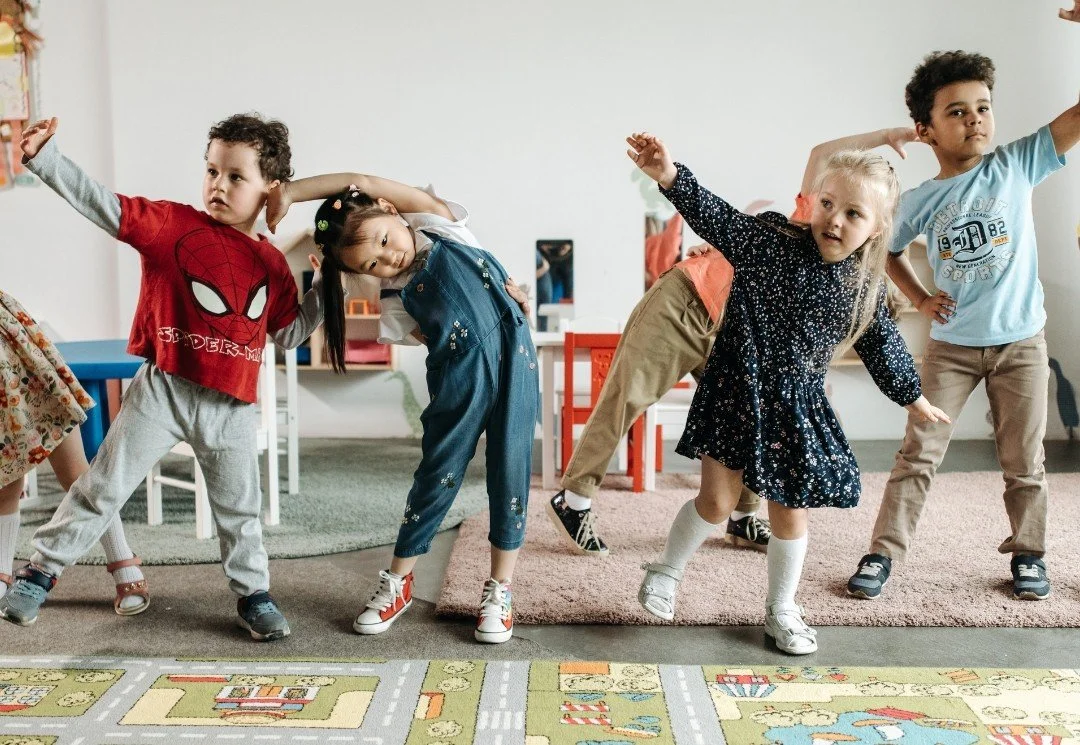
One of the biggest misconceptions about ergonomics is that there's a single perfect posture we should all maintain.
There isn't—and asking a child to "sit up straight" all day isn't particularly realistic or helpful.
A better goal is movement awareness.
Instead of:
"Sit perfectly straight."
Try:
"Are you comfortable? Have you been in that position for a while? Is it time to move?"
That small shift changes the focus from holding the body in one supposedly ideal position to noticing how the body feels.
Kids can learn to recognize when they've been sitting too long, when they're uncomfortable, when something is difficult to reach, or when a task feels awkward. More importantly, they can learn that it's okay to do something about it.
Body Mechanics Are Life Skills
You don't need a job to use good body mechanics.
Kids pick things up from the floor, carry groceries, move sports equipment, help with chores, reach into cabinets, lift boxes, haul backpacks, and move things around their bedrooms.
Simple lessons can go a long way:
Get close to what you're picking up instead of reaching from a distance.
Think about how you're going to move something before you lift it.
Move your feet instead of twisting while carrying a heavy or awkward object.
Don't try to lift something that's clearly too heavy.
Ask for help when you need it.