Regular postings on ergonomics, injury prevention, and employee engagement.
Visual Ergonomics and Workplace Lighting: Why It Matters More Than You Think
We tend to think of eye strain as a minor annoyance—something that comes with a long day in front of a screen. But in reality, visual ergonomics plays a much bigger role in how we feel and perform at work.
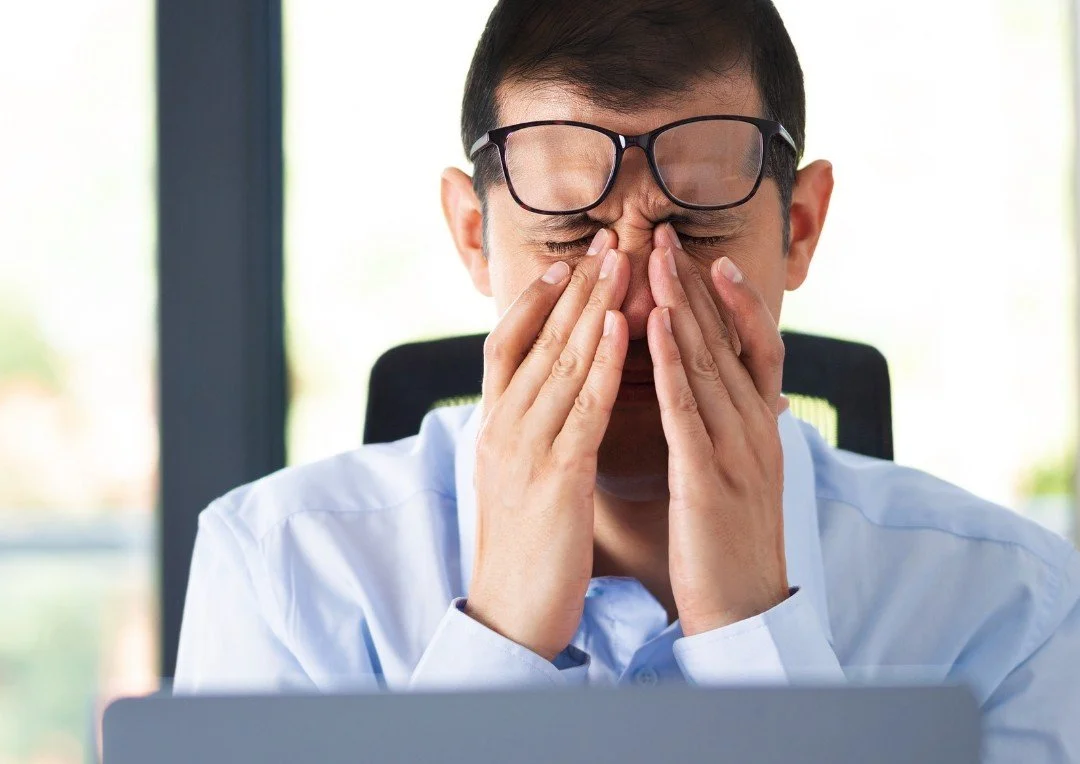
Whether someone is in an office, working from home, or in an industrial setting, the visual demands of the job are constant. And when lighting, screen setup, or vision needs aren’t well aligned, the effects show up quickly: fatigue, headaches, reduced focus, and even neck and shoulder discomfort. It’s rarely just about the eyes.
Common Symptoms of Eye Strain and Visual Fatigue at Work
One of the reasons this gets overlooked is because the symptoms don’t always feel “visual.” Someone might notice tension in their neck, a lingering headache, or general fatigue by the end of the day—without realizing their setup is part of the problem.
When the eyes have to work harder, the body compensates. A common example is forward head posture, where someone leans in to see more clearly. Over time, that adds strain through the neck and upper back and can contribute to ongoing discomfort.
Workplace Risk Factors: Screens, Laptops, and Poor Lighting
A lot of this comes down to how workspaces are set up. Laptops, for example, are one of the biggest contributors to visual and physical strain because they force a trade-off—you can position the screen well for your eyes or your keyboard well for your arms, but rarely both without adjustments.
Add in glare, poor contrast, or low lighting, and it’s easy to see how strain builds throughout the day.
How to Reduce Eye Strain: Simple Ergonomic Adjustments
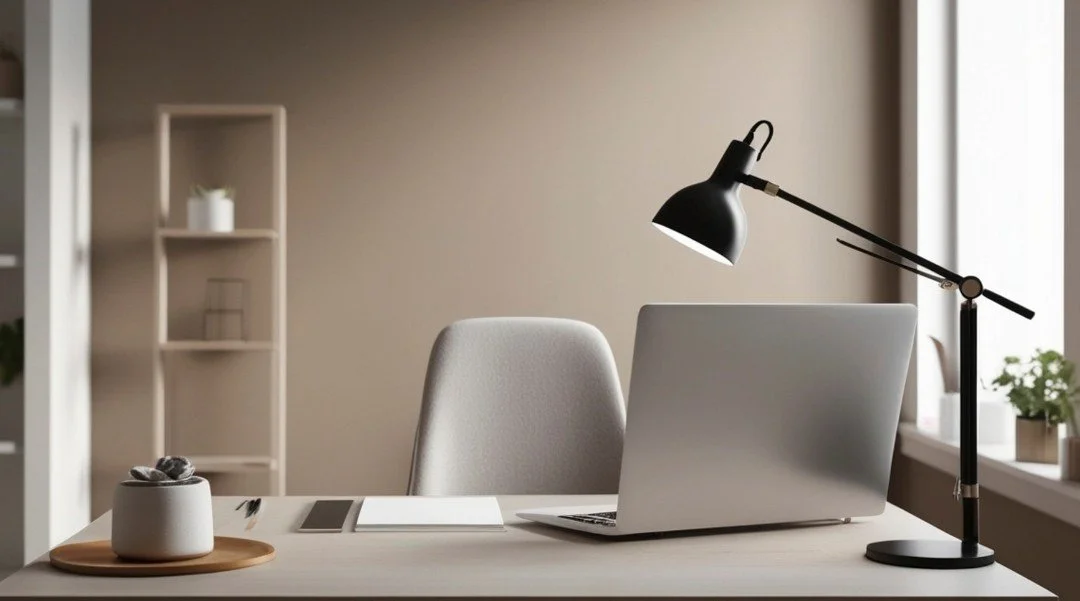
The good news is that small changes make a noticeable difference. Adjusting your screen to about an arm’s length away and keeping it at a comfortable height can reduce the need to lean forward. Making sure lighting is even—not too dim and not creating glare—can also take a significant load off the eyes.
And then there’s behavior. One of the simplest and most effective strategies is taking short visual breaks throughout the day. Even briefly looking away from the screen helps reset focus and reduce fatigue.
Workplace Lighting Guidelines for Reducing Eye Strain
In many workplaces, lighting is either too harsh, too dim, or poorly positioned. But it has a direct impact on both comfort and performance. When lighting is appropriate for the task—whether that’s general ambient light or more focused task lighting—people tend to work more comfortably and accurately, with less strain.
Why Visual Ergonomics Is Critical for Employee Health and Productivity
What this really comes down to is awareness. Visual ergonomics isn’t just about seeing clearly—it’s about how vision, posture, and the work environment all interact. When those pieces are aligned, people don’t just feel better at the end of the day—they’re able to work more efficiently throughout it.
At The Rising Workplace, this is a core part of how we approach ergonomics. It’s not just about the chair or the desk—it’s about the full picture, including how people see, move, and interact with their environment.
To learn more, contact us at connect@risingworkplace.com or call 828-214-5045.