Health | Safety | Ergonomics

Blog

Regular postings on ergonomics, injury prevention, and employee engagement.

Best Safety Practices for Cart Handling in Warehouses
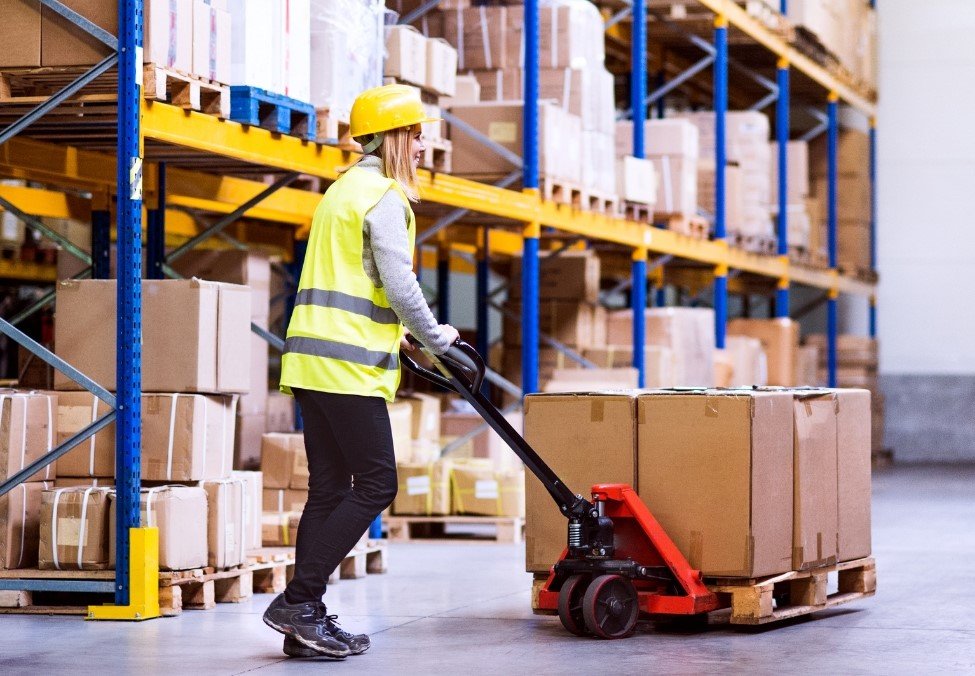
Push carts are a daily part of warehouse and fulfillment operations. While they may seem simple to use, improper cart handling is a common contributor to musculoskeletal injuries, collisions, product damage, and reduced productivity. Establishing clear, ergonomic cart- handling practices helps protect employees while supporting efficient and safe operations.

Why Safe Cart Handling Matters

Warehouse employees frequently push or maneuver carts loaded with totes, boxes, or products. When carts are handled incorrectly, the risks increase significantly, including:

  • Back, shoulder, and wrist strains

  • Overexertion injuries

  • Slips, trips, and collisions

  • Damaged products or equipment

  • Increased fatigue and reduced throughput
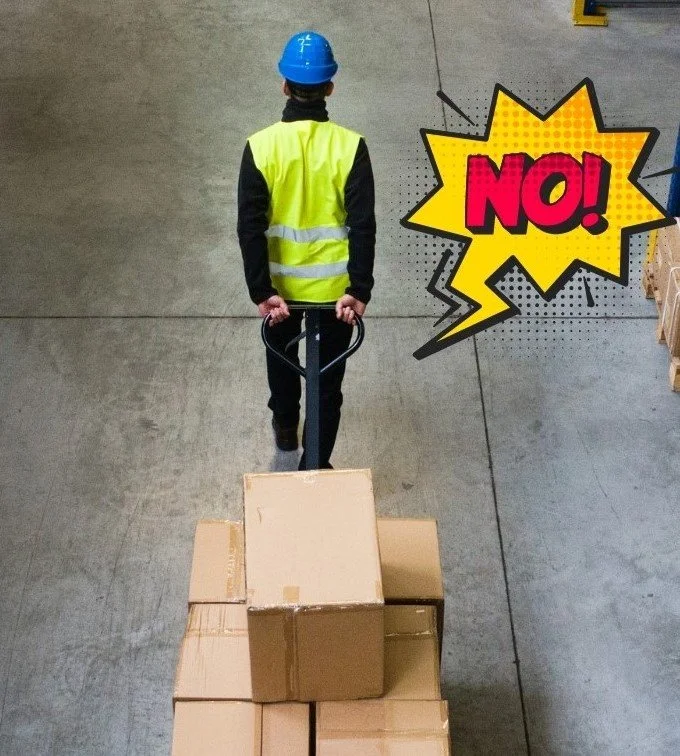
Core Ergonomic Principles for Cart Handling

Push — Don’t Pull

Carts should always be pushed rather than pulled to maintain better posture, visibility, and control.

Maintain a Neutral Body Position

Keep shoulders relaxed, back straight, avoid twisting, and keep wrists neutral.

Use Leg Power, Not Back Power

Initiate movement using leg muscles and body weight, not the lower back.

Safe Operating Mechanics

Inspect carts before use, load heavier items on lower shelves, distribute weight evenly, start movement slowly, maintain a controlled pace, and use wide turns.

Environmental and Facility Awareness

Watch for wet floors, debris, and traffic. Communicate clearly in high-traffic areas.

Do’s and Don’ts

Do inspect carts, push instead of pull, maintain visibility, and ask for help.

Don’t overload carts, block visibility, ride carts, or stop carts with your foot.

Warning Signs

Difficulty starting carts, excessive strain, discomfort, or unusual wheel behavior indicate potential issues.

Site Expectations

Follow safety procedures, report injuries early, and remove unsafe equipment from service.

Final Takeaway

Safe cart handling reduces injuries, improves efficiency, and protects employees and operations.

Leslie WoodruffComment